
If you are trying to understand why 1975 classic rock albums still come up so often, start with the records that give you a clear sound to grab onto: Pink Floyd for atmosphere, Led Zeppelin or Aerosmith for riffs, Fleetwood Mac for polished hooks, Springsteen for anthems, and Dylan for songwriting. The year was not great because every album sounded alike; it was great because several different versions of rock peaked at once.
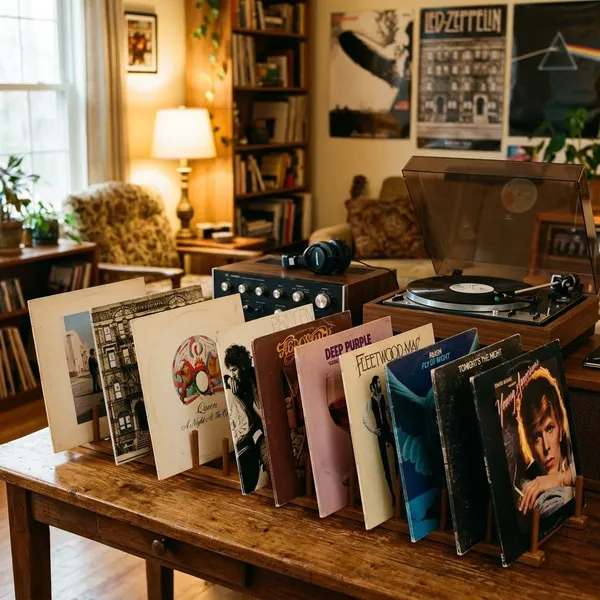
The 10 best classic rock albums from 1975
The strongest 1975 rock albums are not just famous names on a shelf. They still give modern listeners a useful way into the decade: big studio albums, direct guitar records, carefully written singer-songwriter work, and radio-friendly rock with more depth than the hits suggest.
Wish You Were Here by Pink Floyd
Wish You Were Here is the 1975 album to play when you want space, mood, and emotional weight rather than quick hooks. "Shine On You Crazy Diamond" asks for patience, but the payoff is huge: the album feels lonely, grand, and deeply human at the same time.
It is also one of the safest Pink Floyd starting points. The concept is strong without becoming hard to follow, and the title track gives even a casual listener something immediate to hold onto.
Physical Graffiti by Led Zeppelin
Physical Graffiti shows Led Zeppelin at their widest reach. It has the force of "Kashmir," the groove of "Trampled Under Foot," and enough blues, funk, and studio texture to keep the double album from feeling like one long riff exercise.
Born to Run by Bruce Springsteen
Born to Run is the record for anyone who wants rock to feel cinematic. The songs are full of cars, escape, frustration, and romantic pressure, but the emotions never feel distant or decorative.
If you are coming from modern anthem-heavy rock, this may be the easiest older album to understand quickly. The production is big, yet the songs are built around recognizable human wants: leaving, proving yourself, and hoping the next road leads somewhere better.
A Night at the Opera by Queen
Queen's A Night at the Opera is bold without being dry. "Bohemian Rhapsody" is the obvious centerpiece, but the album works because Queen could make theatrical rock feel playful, sharp, and strangely accessible instead of academic.
Blood on the Tracks by Bob Dylan
Blood on the Tracks is the best choice if lyrics matter more to you than volume. Dylan's writing is detailed but open-ended, so songs like "Tangled Up in Blue" and "Simple Twist of Fate" keep changing shape depending on when you hear them.
Fleetwood Mac by Fleetwood Mac
Fleetwood Mac is the most welcoming album here for many first-time listeners. "Rhiannon," "Say You Love Me," and "Landslide" are immediate, melodic, and polished without losing warmth.
Toys in the Attic by Aerosmith
Toys in the Attic keeps the energy high and the songs tight. "Sweet Emotion" and "Walk This Way" explain the appeal fast: riffs, swagger, rhythm, and enough pop sense to make the hard rock stick.
One of These Nights by Eagles
One of These Nights is the smoothest album in this group, but it is not empty polish. The title track and "Lyin' Eyes" carry a darker edge, making it a strong choice if you like melodic rock with clean production and adult tension under the surface.
Best 1975 rock albums by sound
The quickest way to choose from these albums is to stop treating "classic rock" as one sound. Decide first whether you want atmosphere, guitar weight, big emotional sweep, or lyric-driven songs. That choice matters more than starting with the album that appears highest on someone else's ranking.
| If you want... | Start with... | Why it works |
|---|---|---|
| Atmosphere and headphone detail | Wish You Were Here | Slow, immersive, and emotionally focused |
| Heavy guitar albums | Physical Graffiti or Toys in the Attic | One is expansive; the other is punchy |
| Big anthems | Born to Run | Dramatic songs with a strong emotional core |
| Lyrics and storytelling | Blood on the Tracks | Less flash, more emotional detail |
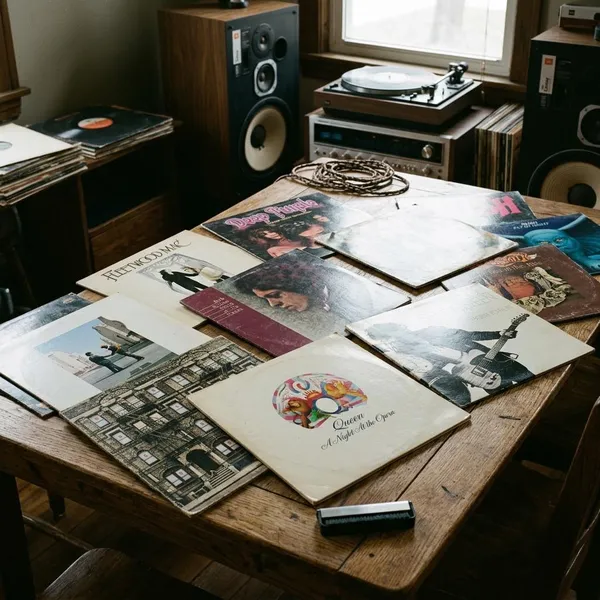
Which 1975 album should you hear first?
Start with the album that matches your normal listening habits, not the one with the most historical weight. A beginner who likes polished pop-rock may enjoy Fleetwood Mac faster than Physical Graffiti, while someone who already loves heavy guitar music may find Aerosmith or Zeppelin more convincing on the first spin.
- Pick your main attraction: hooks, riffs, lyrics, atmosphere, or anthems.
- Play one full album first: many 1975 records make more sense in sequence.
- Do not force the "important" album: if the sound does not fit today, start elsewhere and return later.
Start with Fleetwood Mac for polished hooks
Fleetwood Mac is the best first stop if you want songs that click quickly. The album is melodic, smooth, and emotionally easy to read, which makes it ideal for someone who is curious about the era but not ready for long prog pieces or double albums.
Choose Born to Run for big anthems
Go with Born to Run if you like songs that build toward release. It is especially good for a driving playlist or a focused evening listen, because the album has momentum rather than just a few standout tracks.
Try Wish You Were Here for atmosphere
Wish You Were Here is the right first choice when mood matters more than speed. It is not background music in the usual sense; it needs space, and it rewards a listener who wants to sit inside the sound for a while.
Play Toys in the Attic for hard rock
Toys in the Attic is the direct route for hard rock listeners. It does not ask you to adjust to long tracks or heavy concepts first; it gives you riffs, rhythm, and personality almost immediately.
Pick Blood on the Tracks for songwriting
Choose Blood on the Tracks if you usually notice lyrics before guitar tones. It is a better fit for solo listening than party listening, because the album's strength is in phrasing, perspective, and emotional detail.
Why 1975 was a landmark year for rock
1975 matters because rock did not move in just one direction. The same year gave listeners huge hard rock records, polished mainstream breakthroughs, adventurous studio albums, and songwriter-driven albums that still feel personal. That range is why the year is useful for both beginners and longtime record collectors.
Major artists released career-defining records
Several artists released albums that still sit near the center of their reputations. Pink Floyd, Led Zeppelin, Bruce Springsteen, Queen, Bob Dylan, Fleetwood Mac, Aerosmith, and the Eagles were not just adding decent catalog entries; they were shaping how future listeners would understand them.
Hard rock grew heavier and more ambitious
Hard rock in 1975 had more range than simple volume. Led Zeppelin stretched the form across a double album, while Aerosmith proved that a hard rock record could be tight, catchy, and forceful at the same time.
Art rock reached a wider audience
Pink Floyd and Queen made ambitious records that did not stay trapped in specialist circles. "Bohemian Rhapsody" and "Wish You Were Here" showed that unusual structures and careful studio craft could still connect with a broad audience when the songs had a strong emotional center.
Songwriters embraced full-album storytelling
Born to Run and Blood on the Tracks both reward front-to-back listening. One builds a romantic, restless world; the other moves through memory, loss, and shifting perspective. Neither depends only on singles to make its case.
Studio production became richer and more detailed
By 1975, many rock albums sounded fuller and more intentional without losing personality. Harmonies, guitar layers, drum sounds, and sequencing all became part of the experience, which is one reason these records still hold up on good speakers or headphones.
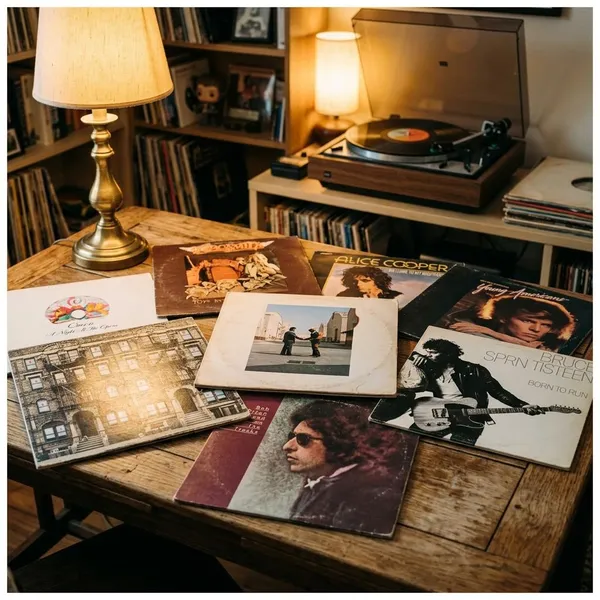
Conclusion
The smartest way into 1975 is to choose by sound first, then by reputation: Fleetwood Mac for an easy doorway, Born to Run for drama, Wish You Were Here for atmosphere, Toys in the Attic for punch, and Blood on the Tracks for writing. Once one of those clicks, the rest of the year opens up naturally instead of feeling like a homework list of "important" albums.