
If you are trying to get into classic alternative rock bands, start with the groups that changed the language of guitar music: R.E.M., The Cure, Pixies, Nirvana, Pearl Jam, Soundgarden, Radiohead, Oasis, and The Stone Roses. The quickest way in is not to memorize every subgenre, but to follow the sound you naturally like first—jangly, heavy, dark, anthemic, or experimental—and then work backward into the roots.

Essential classic alternative rock bands
The essential names matter for different reasons. Some built the underground through college radio and independent labels. Some turned alternative rock into mainstream culture. Others widened the genre so it could include gloomy post-punk, noisy art rock, Britpop confidence, and emotionally direct grunge.
If you are building a first listening list, do not start with a giant playlist of fifty bands. Pick one branch, hear two or three defining records, then move sideways. That gives the genre shape instead of making every famous name blur together.
Early pioneers like R.E.M., The Cure, and Pixies
R.E.M. gave alternative rock one of its clearest early models: ringing guitars, half-mysterious lyrics, and songs that felt thoughtful without sounding polished for stadiums. Murmur is still the best first stop if you want to hear how college rock became a serious alternative to mainstream rock.
The Cure brought a different kind of influence. They could write bright, perfect pop songs like "Just Like Heaven," but they also made records such as Disintegration, where mood, romance, and melancholy feel almost cinematic. Pixies added the jolt: short songs, surreal images, and loud-quiet-loud dynamics that later bands, especially Nirvana, clearly absorbed.
Grunge leaders like Nirvana, Pearl Jam, and Soundgarden
Nirvana changed the public scale of alternative rock with Nevermind. The songs were raw enough to feel punk-connected, but direct enough to take over radio and MTV. Pearl Jam sounded broader and more classic-rock rooted, with Ten turning emotional weight into huge, durable songs. Soundgarden made the Seattle sound darker and heavier, with Chris Cornell's voice and the band's odd rhythms setting them apart from simple grunge imitation.
- Start with Nirvana if you want urgency, hooks, and cultural impact.
- Start with Pearl Jam if you like big vocals, live-band energy, and emotional storytelling.
- Start with Soundgarden if heavier riffs and darker atmosphere matter most.
UK icons like Radiohead, Oasis, and The Stone Roses
The UK side of classic alternative rock is less about Seattle-style heaviness and more about mood, melody, identity, and ambition. Radiohead began as a guitar band and quickly became one of the most restless groups in modern rock; The Bends is the easiest entry point before their more experimental work.
Oasis made alternative culture feel loud, communal, and unashamedly anthemic. The Stone Roses came earlier, blending indie guitar, psychedelic color, and danceable rhythm in a way that helped shape Britpop's confidence. If grunge sounds too heavy for your taste, these bands are often a better first route into the same era.
How classic alternative rock evolved
Alternative rock is tricky to define because its meaning changed over time. At first, it meant music outside the commercial rock center. By the 1990s, many alternative bands became the center. The useful question is not whether every band fits perfectly, but what each scene added to the sound.
College radio built the early scene
College radio gave bands like R.E.M., Pixies, The Replacements, Sonic Youth, and Hüsker Dü a way to reach curious listeners before commercial radio cared. That mattered because these groups did not need to sound instantly safe. They could be awkward, literary, noisy, regional, or strange and still build loyal audiences.
For a modern listener, this era is best approached like discovery rather than background music. If you only know the 1990s hits, spend time with early R.E.M. or Pixies and you will hear the foundation: less polish, more personality, and a strong sense that the audience had to come to the music rather than the other way around.
Grunge pushed alternative rock into the mainstream
Grunge was the moment alternative rock stopped being a side road. After Nevermind broke through in 1991, major labels and radio programmers suddenly treated distorted, emotionally tense guitar music as the new center of youth culture.
Britpop and experimental rock widened the sound
Britpop gave alternative rock a brighter, more song-forward lane through bands like Oasis, Blur, and Pulp. At the same time, experimental acts pushed the genre away from standard guitar formulas. Radiohead, The Flaming Lips, Sonic Youth, and other art-minded bands made room for unusual structures, noise, electronics, and more ambitious album concepts.
This is where the genre becomes especially useful for different listeners. Someone making a driving playlist may connect first with Oasis or Weezer. Someone who wants headphones-and-album listening may get more from Radiohead, The Cure, or Sonic Youth. Both paths are valid; they just answer different listening moods.
Classic alternative rock bands by sound
Sorting classic alternative rock bands by sound is often more helpful than sorting them by date. Chronology explains influence, but sound tells you what to play next. Use the categories below as loose routes, not strict boxes, because several bands cross between them.
| Sound you want | Start with | Best listening situation |
|---|---|---|
| Melodic, jangly, literate | R.E.M., The Smiths, The Replacements | When you want smart guitar songs without heavy distortion |
| Heavy, tense, cathartic | Nirvana, Pearl Jam, Soundgarden, Alice in Chains | When you want volume, emotion, and release |
| Dark, romantic, atmospheric | The Cure, Depeche Mode, Joy Division, PJ Harvey | When mood matters more than a quick chorus |
| Restless, noisy, art-minded | Pixies, Sonic Youth, Radiohead, The Flaming Lips | When you want records that reveal more over time |
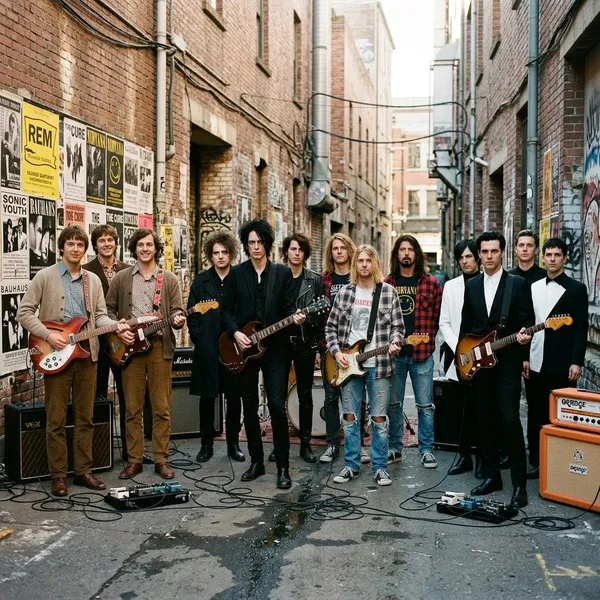
Melodic and jangly bands
Melodic and jangly alternative rock is the best starting point if you like strong songwriting more than sheer force. R.E.M. is the anchor here, but The Smiths, Teenage Fanclub, The Lemonheads, and The Replacements also show how alternative music could be sharp, warm, and emotionally specific without sounding heavy.
Heavy and grunge-driven bands
This lane is for listeners who want guitars to hit hard but still want songs, not just volume. Nirvana brings the punk edge, Pearl Jam brings the big human voice, Soundgarden adds weight and complexity, and Alice in Chains leans darker and more haunted.
Dark and atmospheric bands
Dark alternative bands work best when you want immersion. The Cure's Disintegration is the obvious landmark, but Depeche Mode, Joy Division, and PJ Harvey each show a different version of shadowy, emotionally charged music. This is not always "sad music"; often it is dramatic, stylish, romantic, or tense.
Experimental and art-rock bands
Experimental alternative rock is where the genre refuses to behave. Pixies make abrupt shifts feel natural, Sonic Youth turns noise into structure, and Radiohead turns anxiety and studio experimentation into something strangely beautiful.
- For an easier first step: try Pixies' Doolittle.
- For guitar noise and art-school energy: try Sonic Youth's Daydream Nation.
- For emotional experimentation: move from Radiohead's The Bends into OK Computer.
Essential albums for new listeners
Albums are the fastest way to understand why these bands lasted. Singles show the hook; albums show the world around the hook. If you are new, pick one pair below based on your mood rather than trying to hear everything in order.
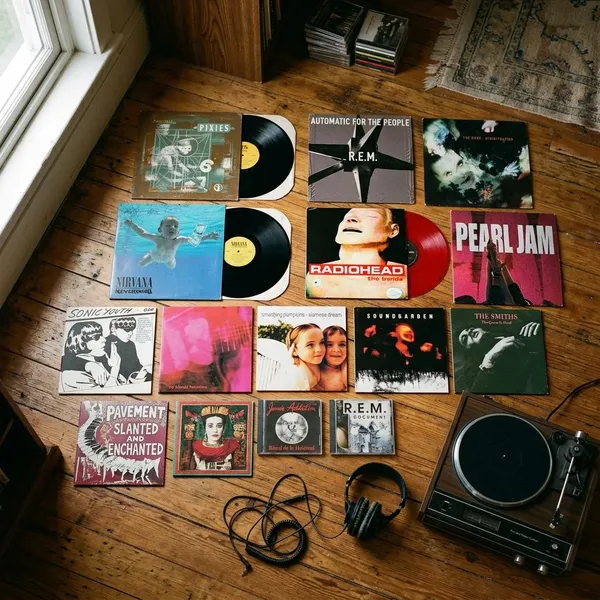
Murmur and Disintegration
Murmur by R.E.M. is the early-college-rock choice: mysterious, melodic, and quietly influential. Disintegration by The Cure is the atmospheric choice: lush, slow-burning, and emotionally huge without needing rock-star flash. Hear them together and you get two foundational routes, one earthy and jangly, the other dark and immersive.
Doolittle and Nevermind
Doolittle by Pixies is compact, odd, catchy, and explosive in short bursts. Nevermind by Nirvana takes some of that tension and turns it into a worldwide breakthrough. This pair is ideal if you want to hear the bridge between underground influence and mainstream impact.
Ten and Siamese Dream
Ten by Pearl Jam is big-hearted and dramatic, built around voice, riffs, and emotional release. Siamese Dream by The Smashing Pumpkins is denser and more layered, with huge guitars wrapped around vulnerable songwriting.
The Bends and the Blue Album
The Bends by Radiohead is a strong first Radiohead record because it still works as guitar rock while hinting at the band's later ambition. Weezer's Blue Album sits in a different mood entirely: witty, hook-heavy, awkward, and instantly replayable.
Together, they show how wide 1990s alternative rock had become. One album looks inward with tension and grandeur; the other turns nerdy self-awareness into tight pop-rock. If you want immediate songs, start with Weezer. If you want a record that points toward something bigger, choose Radiohead.
Conclusion
The best way to explore classic alternative rock is to choose a doorway, not a checklist. Start jangly with R.E.M., heavy with Nirvana or Soundgarden, atmospheric with The Cure, anthemic with Oasis, or ambitious with Radiohead, then follow the sound that keeps pulling you back. The genre makes more sense once you hear how those different paths connect.