
If you want to understand classic punk rock bands without getting lost in endless recommendations, start with the scenes: New York and the UK for the first wave, California and Washington, D.C. for hardcore, and proto-punk for the rough ideas that came before it. The Ramones, the Clash, Sex Pistols, the Damned, Buzzcocks, Black Flag, Bad Brains, and the Misfits are useful starting points because each one shows a different side of punk rather than repeating the same sound.
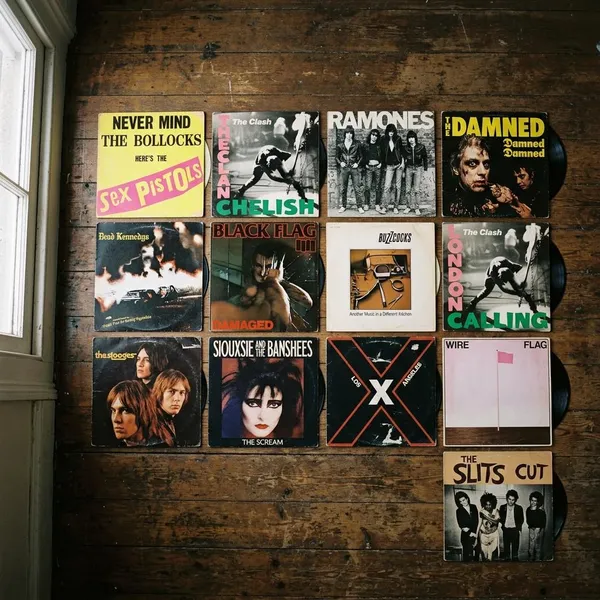
Classic punk bands by era and scene
Punk is easier to follow when you treat it as a set of local scenes, not one fixed recipe. A listener who starts with the Ramones will hear speed and simplicity; someone who starts with Black Flag may think punk is mostly anger and force. Both are right, but they are hearing different points on the timeline.
Proto-punk roots
Proto-punk covers bands that sounded punk before punk had fully formed as a scene. The Stooges and the New York Dolls are the key names to check first: the Stooges brought repetition, danger, and physical noise, while the Dolls added streetwise glam chaos and a loose, provocative style.
New York first-wave punk
New York first-wave punk grew around clubs such as CBGB in the mid-1970s. The Ramones are the cleanest entry point because their songs cut rock down to short riffs, fast tempos, and almost no decoration.
- Start with: Ramones.
- Then branch to: Television, Patti Smith, Richard Hell, Blondie, and Talking Heads for the wider downtown scene.
- Best if you like: stripped-down songs, deadpan humor, garage-rock energy, and bands that sound easy to imitate.
British first-wave punk
British punk made the genre louder in public. The Sex Pistols gave punk its most infamous image, the Clash gave it range and political weight, the Damned added speed and dark humor, and Buzzcocks proved punk could be melodic without becoming soft.
Washington D.C. hardcore
Washington, D.C. hardcore matters because it made punk feel faster, tighter, and more community-driven. Bad Brains are essential because they combined speed, technical skill, reggae, punk, and metal energy in a way that still sounds startling.
- Bad Brains: the explosive musical benchmark.
- Minor Threat: a key name for the D.C. DIY and straight edge legacy.
- Best listening situation: after you already know first-wave punk, so the jump in speed and intensity makes sense.
Best classic punk bands for beginners
The best beginner route depends on what you already like. If you want catchy songs, do not start with the harshest hardcore record. If you already listen to metal or aggressive alternative rock, the lighter first-wave bands may not be the most exciting doorway.
Ramones for fast and simple songs
The Ramones are usually the safest first stop. Tracks like "Blitzkrieg Bop," "Judy Is a Punk," and "Sheena Is a Punk Rocker" explain the basic punk idea quickly: short songs, blunt hooks, no wasted movement.
They work especially well for beginners because the songs are easy to remember after one listen. If punk has always seemed messy or intimidating, the Ramones make it sound logical.
The Clash for style and variety
The Clash are the better first choice if you want punk with more musical color. Their early work has urgency, but they also bring in reggae, dub, ska, rockabilly, and political songwriting.
- Start with The Clash: for the raw early version.
- Move to London Calling: if you want a broader rock record with punk roots.
- Good for: listeners who care about lyrics, politics, and stylistic range.
Buzzcocks for melodic punk
Buzzcocks are ideal if you like hooks, choruses, and emotionally direct songwriting. Their songs move fast, but they are not built only on aggression. Pete Shelley's writing gives punk a nervous, romantic, human side.
The Damned for early British punk
The Damned are a strong beginner pick because they capture early UK punk without being trapped by one public scandal or one political identity. Damned Damned Damned is fast, funny, sharp, and more musically lively than many people expect.
Black Flag for a heavier sound
Black Flag are the better entry point if your taste already leans heavy. Damaged is not as instantly friendly as the Ramones or Buzzcocks, but it shows how punk became hardcore: more tense, more physical, and less interested in charm.
Essential classic punk albums
Albums are a better way into classic punk than random playlists because many of these records are short enough to hear in one sitting. You can quickly notice what each band values: speed, melody, politics, shock, humor, or force.
Ramones by Ramones
Ramones is the basic blueprint: fast, minimal, funny, and strangely catchy. Released in 1976, it strips away solos and studio bloat until the songs feel like pure forward motion.
The Clash by The Clash
The Clash captures the band before their sound widened. It is rough, urgent, and tied closely to the social pressure of British punk.
- Listen for: political anger without polished presentation.
- Key tracks: "White Riot" and "Career Opportunities."
- Best next step: London Calling, once you want the broader version of the band.
Never Mind the Bollocks by Sex Pistols
Never Mind the Bollocks, Here's the Sex Pistols is the British punk record most tied to public outrage, but the music is stronger than the mythology around it. The guitars are thick, the choruses are memorable, and Johnny Rotten's delivery turns contempt into a recognizable style.
Damned Damned Damned by The Damned
Damned Damned Damned is quick, spirited, and less weighed down by reputation than some other UK punk classics. It shows how early British punk could be chaotic without becoming dull or one-note.
Damaged by Black Flag
Damaged is the hardcore checkpoint. The record sounds frustrated, cramped, and confrontational, which is exactly why it matters.
- Choose it if: you want punk at its heavier edge.
- Do not start here if: you mainly want catchy first-wave songs.
- Listen for: the shift from punk looseness to hardcore pressure.
What made classic punk bands different
Classic punk bands stood apart because they rejected the idea that rock had to be polished, expensive, or technically impressive to matter. The priority was impact: say it quickly, play it with conviction, and make the scene feel open enough that other people could join in.
That difference shows up in the songs, the recording style, the lyrics, and the way bands built their own networks outside the mainstream music business.
Short and direct songs
Many classic punk songs are under three minutes because the bands were not trying to stretch ideas for prestige. The short length made the music feel urgent and made it easier for new bands to imagine writing songs of their own.
Raw production
Raw production helped punk records keep their physical energy. Instead of smoothing every edge, many recordings left in distortion, rough textures, and the sense that the band might fall apart if the tempo pushed any harder.
DIY releases and shows
DIY culture was one of punk's most useful ideas. Bands booked their own shows, used independent labels, made flyers, played small rooms, and built networks without waiting for major-label permission.
- For bands: it created a way to exist outside the industry.
- For fans: it made local scenes feel participatory instead of distant.
- For later music: it became a model for hardcore, indie, and underground touring.
Political and outsider lyrics
Punk lyrics often sounded like they came from people standing outside respectable culture. The Clash leaned into politics and class tension, Dead Kennedys used satire, Buzzcocks wrote about desire and frustration, and the Misfits turned horror imagery into punk identity.
The common thread is not one topic. It is the refusal to make the voice polite, polished, or emotionally neutral.
Fast and confrontational performances
Live performance gave punk much of its power. The shows were fast, loud, crowded, and often more physical than mainstream rock concerts. For a casual listener, that intensity can be exciting; for someone who only wants polished musicianship and clean sound, it can feel abrasive.
That split is useful. If the raw live energy bothers you, start with the more melodic records first. If it draws you in, hardcore and regional live-scene histories will probably make the most sense next.
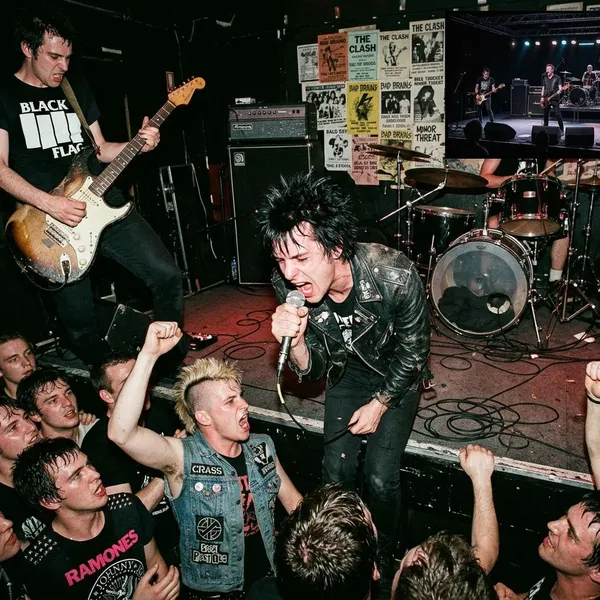
How classic punk shaped modern rock
Classic punk changed modern rock in two ways: it influenced the sound of later bands, and it changed the practical idea of how a band could operate. The second part is easy to miss, but it may be punk's most durable legacy.
It laid the groundwork for hardcore
Hardcore took first-wave punk's speed and directness and pushed them harder. Black Flag, Bad Brains, Minor Threat, and Dead Kennedys made the music faster, more aggressive, and more tied to underground networks.
The connection is clearest if you listen in order: Ramones first, then the Sex Pistols or the Damned, then Black Flag or Bad Brains. The jump feels intense, but it no longer feels random.
It inspired indie and alternative rock
Indie and alternative rock borrowed punk's permission structure: you did not need perfect technique, expensive recording, or mainstream approval before making something worthwhile.
- In songwriting: shorter, more direct ideas became acceptable.
- In attitude: sincerity and friction mattered more than polish.
- In scenes: local bands could build audiences from the ground up.
It strengthened DIY music culture
Punk helped normalize independent labels, handmade promotion, all-ages shows, and self-booked tours. That infrastructure shaped underground music long after the first wave ended.
The modern version is easier because artists can distribute music online, but the core lesson is older: if the big system ignores you, build a smaller one that works well enough to keep going.
It influenced later punk revivals
Later punk revivals kept borrowing from the classic bands, even when the production became cleaner. Pop-punk took melody from bands like Buzzcocks and the Ramones. Street punk held onto the confrontational UK image. Modern hardcore kept developing the intensity of Black Flag, Bad Brains, and Minor Threat.
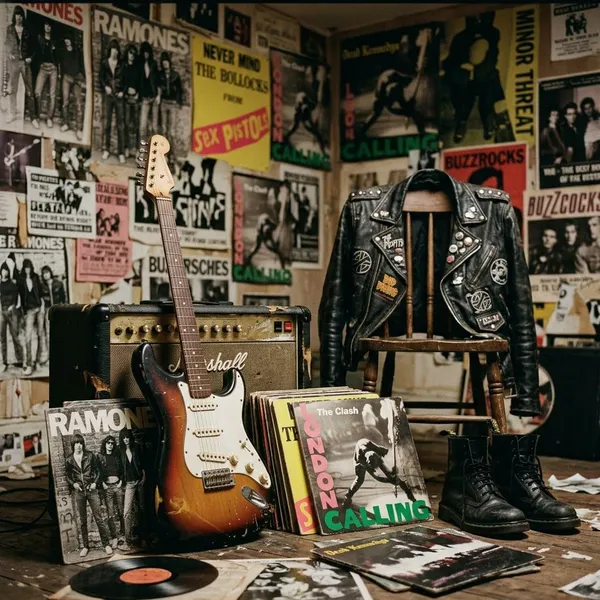
Conclusion
The smartest way to explore classic punk is to start with contrast: Ramones for simplicity, the Clash for range, Buzzcocks for melody, the Damned for early UK energy, and Black Flag or Bad Brains for hardcore intensity. Once those differences click, the wider history feels less like a list of famous names and more like a set of scenes you can actually hear.