
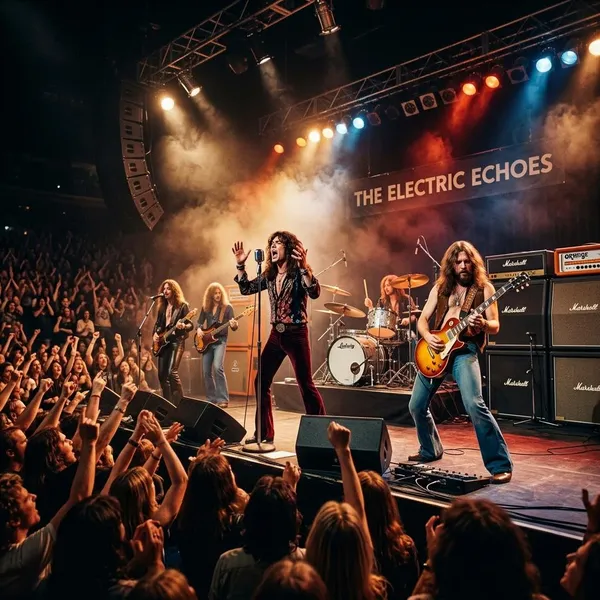
Classic rock bands reinvented music because they changed more than one thing at once: the sound of guitars, the role of the studio, the shape of albums, and the scale of live shows. If you want the shortest route through the topic, start with The Beatles for studio ambition, Black Sabbath for metal, Pink Floyd for immersive albums, and Queen for arena spectacle.
Classic rock bands that reinvented music
The biggest classic rock breakthroughs were not all the same kind of breakthrough. Some bands changed how records were made, some changed how heavy music could feel, and others changed what audiences expected from a concert or a full album.
The Beatles expanded the limits of rock
The Beatles made rock feel bigger without making it unreachable. They moved from sharp pop singles into records filled with tape effects, orchestral color, Indian instrumentation, unusual chords, and carefully shaped sequencing.
The important part is that the experimentation still felt popular. Revolver and Sgt. Pepper's Lonely Hearts Club Band gave later artists permission to be stranger, more detailed, and more album-minded without abandoning melody.
Led Zeppelin shaped heavy rock
Led Zeppelin gave hard rock its sense of size. Jimmy Page's guitar layers, John Bonham's huge drum feel, Robert Plant's high vocals, and the band's mix of blues, folk, and myth turned heaviness into something dramatic rather than merely loud.
If you are listening for their influence, do not only focus on the riffs. Notice the contrast: acoustic passages, slow builds, sudden explosions, and space around the drums. That tension-and-release model still drives a lot of hard rock.
Black Sabbath defined heavy metal
Black Sabbath turned heaviness into a complete language. Their riffs sounded darker and more oppressive, their themes leaned into fear and social breakdown, and the slower grooves made the music feel physically heavier.
- Sound: thick, low, riff-centered guitar.
- Mood: dread rather than party energy.
- Legacy: doom, sludge, stoner rock, and much of metal's darker side.
Pink Floyd made albums immersive
Pink Floyd treated albums like environments. Synthesizers, spoken voices, sound effects, long transitions, and patient pacing made records such as The Dark Side of the Moon feel less like playlists and more like journeys.
The Who pioneered rock opera
The Who pushed rock toward long-form storytelling. Tommy showed that a rock album could follow characters, conflict, repeated musical ideas, and a dramatic arc instead of working as separate songs placed together.
That shift mattered because it gave ambitious bands a new structure to borrow. A song could be a scene. A chorus could return later with a different meaning. The album itself could become the story.
Queen turned rock into spectacle
Queen made rock feel theatrical without making it stiff. Freddie Mercury's voice and stage command were central, but the band's real trick was blending hard rock, opera, pop, music hall, ballads, and giant harmonies into songs that crowds could still sing.
Rush brought progressive rock mainstream
Rush made technical music feel direct enough for a wider audience. Odd meters, philosophical lyrics, and complex instrumental parts were still there, but albums like Moving Pictures kept the songs tight and energetic.
That balance became especially useful for later progressive metal and technical rock bands. Complexity did not have to mean wandering; it could be controlled, memorable, and forceful.
How classic rock bands changed the sound
Classic rock changed modern music most clearly in the actual sound coming out of the speakers. The priority order is easy to hear: heavier guitars first, then more adventurous song forms, then studio production used as part of the writing.
Heavier guitars and louder production
Distortion became a deliberate identity, not just a rough edge. Guitar riffs moved to the center of songs, drums were recorded with more punch, and bass became part of the weight instead of sitting quietly underneath.
Longer and more complex songs
Classic rock gave songs room to unfold. Longer tracks allowed for instrumental sections, mood changes, repeated themes, and slow builds that would not fit neatly into a short radio-single format.
This works best when the extra time has a purpose. A long song with tension, contrast, or a clear payoff can feel gripping; a long song that only repeats an idea feels padded. That boundary is still important for modern bands.
Studio effects as creative tools
The studio became part of the composition. Tape loops, reversed sounds, panning, delay, overdubs, and layered vocals let bands create moments that could not be reproduced by simply placing microphones in front of a live group.
- The Beatles: used the studio to bend pop songwriting into new shapes.
- Pink Floyd: used sound design to build atmosphere and continuity.
- Queen: used overdubs and harmonies to make rock sound almost orchestral.
Wider musical influences
Rock became more flexible when bands pulled from blues, folk, classical music, jazz, Indian music, theater, and early electronic textures. That did not make every experiment successful, but it widened what a rock band could attempt.
New approaches to vocals and harmony
Classic rock made the voice a signature instrument. Robert Plant's wail, Ozzy Osbourne's eerie plainness, Roger Daltrey's power, and Freddie Mercury's range all created identities that were hard to separate from the bands themselves.
Harmony also became more ambitious. The Beatles used it for emotional color, while Queen stacked voices into something grand and architectural. Modern pop and rock still borrow that idea whenever vocals are used to create scale rather than simple sweetness.
How classic rock changed albums and concerts
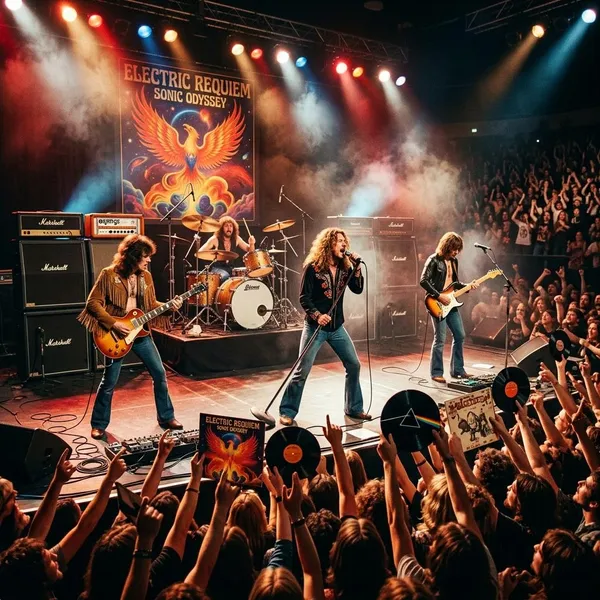
The next major change was format. Classic rock helped turn albums into complete statements and concerts into designed experiences, which is why its influence still shows up even in genres that do not sound much like old guitar rock.
Albums built around one concept
Concept albums gave listeners a reason to hear a record as one piece. The concept might be a story, a mood, a character, or a repeated theme, but the key difference was intention: the album order mattered.
Stories told across full records
Rock opera took the concept album further by using songs as chapters. Tommy became the obvious model because it showed that rock could carry characters and dramatic movement across an entire record.
That approach is risky when the story is weak or over-explained. It works when the songs still stand up emotionally, even before the listener understands every plot point.
Concerts designed as visual shows
Classic rock concerts grew into events with lighting, staging, projections, costumes, pacing, and crowd interaction. Pink Floyd pushed atmosphere and visuals; Queen showed how one performer could make a huge venue feel connected.
Stronger band images and identities
Band identity became part of the music's impact. A logo, album cover, stage posture, clothing style, or public attitude helped listeners understand the world around the sound.
This is where classic rock starts to look very modern. Today's artists are still judged not only by songs, but by whether their visuals, live presence, and message feel coherent enough for fans to remember and share.
Albums that reinvented rock music
These albums are useful landmarks because each one changed a different expectation. Some changed production, some changed heaviness, and some changed the idea of what a full record could do.
Sgt. Pepper's Lonely Hearts Club Band
Sgt. Pepper's Lonely Hearts Club Band made the album feel like an artistic event. Its characters, orchestration, sequencing, and studio detail helped prove that a popular rock record could be colorful, experimental, and culturally serious.
Led Zeppelin IV
Led Zeppelin IV is a strong model for balance. It moves between hard riffs, acoustic texture, folk atmosphere, and mythic drama without sounding like separate bands stitched together.
That range is why it still matters to hard rock listeners. The record teaches that power lands harder when it has contrast around it.
Paranoid
Paranoid gave heavy metal one of its clearest early blueprints. The songs are direct, the riffs are memorable, and the mood is bleak enough to separate it from ordinary hard rock.
The Dark Side of the Moon
The Dark Side of the Moon changed expectations for album flow. The songs, transitions, voices, effects, and themes work together so closely that the record feels like one continuous emotional arc.
Its influence is easy to miss if you only hear individual tracks. The real innovation is the way production and sequencing make the album feel complete.
Tommy
Tommy made rock opera a serious possibility. The Who used recurring musical ideas and narrative structure to show that a rock album could behave like a long dramatic work.
A Night at the Opera
A Night at the Opera pushed rock toward controlled excess. Queen packed in theatrical arrangements, vocal layers, humor, balladry, and hard rock without losing the sharpness of the songs.
Moving Pictures
Moving Pictures brought progressive ambition closer to mainstream rock. Rush kept the precision and complexity, but the songs were tighter, more immediate, and easier to enter than much of prog's more sprawling work.
Where classic rock influence remains
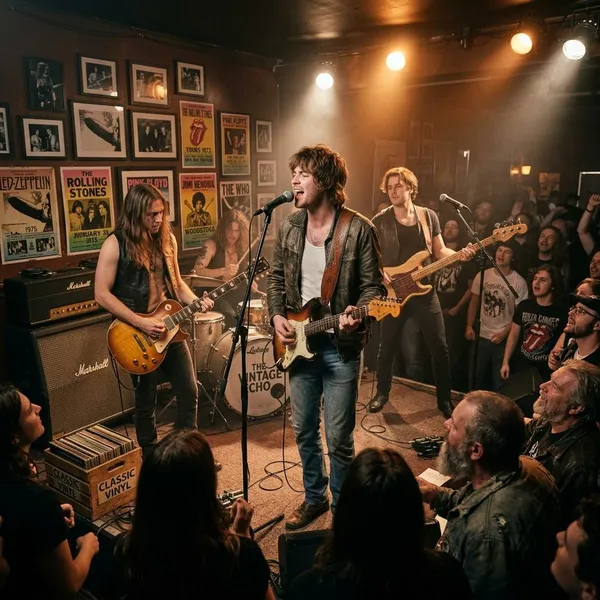
Classic rock influence remains strongest where artists still use its core tools: riffs, album arcs, theatrical performance, bold studio choices, and clear band identity. The surface sound may change, but the working methods are still familiar.
Heavy metal and hard rock
Metal and hard rock still draw directly from Led Zeppelin, Black Sabbath, Deep Purple, and similar bands. Riff-centered writing, dramatic vocals, heavy grooves, and live intensity all come from that foundation.
The connection is clearest when a modern band builds songs around tension and release instead of nonstop density. The classic rock lesson is that heaviness needs shape.
Progressive and art rock
Progressive and art rock continue the Pink Floyd, Rush, and Who tradition by treating structure as part of the emotion. Long builds, recurring motifs, odd meters, and concept albums remain useful tools for artists who want depth rather than quick impact only.
Alternative and indie rock
Alternative and indie rock often carry the influence in less obvious ways. A band may borrow Beatles-style melody, psychedelic textures, garage looseness, or the confidence to let a song take an unexpected turn.
For listeners, this is a good reminder that influence is not the same as imitation. A modern indie record does not need a vintage guitar tone to be shaped by classic rock thinking.
Arena pop and theatrical shows
Arena pop owes a lot to classic rock's performance language. Huge choruses, audience call-and-response, dramatic lighting, costume changes, and carefully timed emotional peaks all follow the path opened by bands such as Queen.
The genre may be pop, hip-hop, or electronic now, but the goal is similar: make a large crowd feel like one room sharing one moment.
Concept-driven modern albums
Modern concept albums still use the classic rock idea that a record can reward full attention. The theme might be identity, fame, grief, politics, or fiction, but the appeal is the same: songs gain strength from the larger arc around them.
Conclusion
The classic rock bands with the deepest influence did not just introduce new sounds; they changed the standards musicians still work against. The Beatles expanded the studio, Sabbath gave metal its center of gravity, Pink Floyd made albums immersive, and Queen showed how rock could fill a stadium without losing personality. The best way to understand their impact is to hear both levels at once: the songs themselves, and the new possibilities those songs made normal.