
If you only hear a few classic rock drum solos first, start with the ones that show different sides of the drummer's job: power, feel, restraint, live tension, speed, and technical design. "Moby Dick" is the obvious thunderous pick, but "The End" may be the better first listen if you want something short and musical. The smartest route is to choose by mood rather than fame: a quick song moment, a long live showcase, or a technical performance you can study closely.
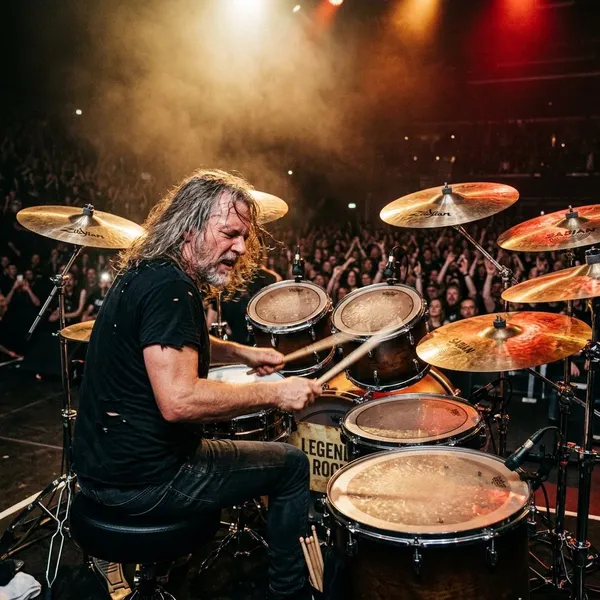
The most iconic classic rock drum solos
These six solos are useful starting points because they are not all impressive for the same reason. Some are long drum features, one is famously brief, and a few work best when you watch the performance as well as hear it.
Moby Dick by Led Zeppelin
John Bonham's "Moby Dick" is the heavy rock benchmark: huge tone, deep groove, and the kind of force that makes the drums feel like the main event. The studio version gives you the shape, but the live versions explain the legend, especially when Bonham moves between sticks and bare hands.
For a first listen, do not focus only on how hard he hits. Listen for the space between the accents. Bonham's power works because the pulse stays grounded instead of turning into random noise.
Toad by Cream
Ginger Baker's "Toad" helped make the extended rock drum solo feel serious rather than like a stage trick. His jazz background comes through in the way he phrases, shifts emphasis, and lets the solo breathe instead of driving in a straight line.
- Best for: listeners who like improvisation and loose live energy.
- Listen for: changing accents, rolls, and swing-influenced movement.
- Possible drawback: it may feel less direct if you prefer tight song structures.
The End by The Beatles
Ringo Starr's solo in "The End" is short, clean, and perfectly placed. It proves a drum solo can be memorable without becoming a long showcase. If you are not usually patient with extended solos, this is the easiest place to start.
Soul Sacrifice by Santana at Woodstock
Michael Shrieve's "Soul Sacrifice" performance at Woodstock is more than a drum feature; it is a live moment caught at full heat. The solo grows out of the band's groove, so it feels connected to the whole performance rather than dropped in for attention.
This one is worth watching, not just streaming in the background. The body language, crowd context, and band interaction make the build feel bigger. For someone exploring classic rock through concert footage, it may land faster than a studio-only solo.
The Mule by Deep Purple
Ian Paice's feature in "The Mule" is the choice for speed that still stays readable. Fast drumming can blur quickly, but Paice keeps the phrases clean enough that you can follow the movement around the kit.
The Rhythm Method by Rush
Neil Peart's "The Rhythm Method" feels designed rather than simply improvised. It moves through textures, dynamics, and recurring ideas, which makes it a strong pick for listeners who want to hear technical drumming with structure.
What makes each drum solo stand out
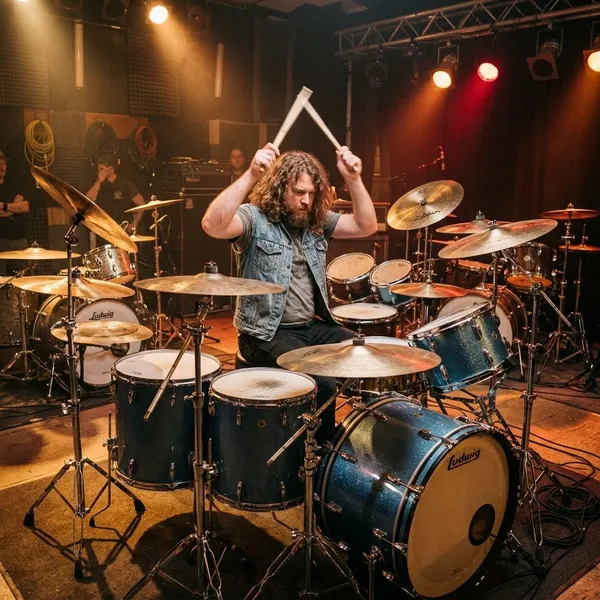
The quickest way to enjoy these solos is to listen for one defining trait in each performance. That keeps the experience from becoming a contest about who plays fastest or longest.
| Solo | What to focus on first | Best listener match |
|---|---|---|
| "Moby Dick" | Weight, groove, and tension | Hard rock fans |
| "Toad" | Jazz phrasing and improvisation | Listeners who like loose, exploratory playing |
| "The End" | Taste, placement, and economy | Casual listeners or Beatles fans |
| "Soul Sacrifice" | Live build and visual energy | Concert footage watchers |
| "The Mule" | Speed with clear control | Drummers and detail-focused listeners |
| "The Rhythm Method" | Technical range and structure | Rush fans and musicians |
Famous drum moments that are not full solos
Some of rock's most famous drum moments are not solos at all. They are fills, intros, endings, or full-song performances where the drummer shapes the track without taking a separate extended spotlight.
The drum fill in In the Air Tonight
"In the Air Tonight" is a drum fill, not a drum solo. The reason people talk about it like a solo is the buildup: the song holds back for so long that the drum entrance feels massive when it finally arrives.
The lesson is practical if you are trying to understand drumming, not just name famous moments. A fill can become iconic when the arrangement creates the perfect space for it.
The drum intro in Hot for Teacher
Alex Van Halen's "Hot for Teacher" intro is a miniature showcase rather than a formal solo. It throws the song open immediately, setting the speed, attitude, and flash before the band fully settles in.
The explosive ending in Won't Get Fooled Again
Keith Moon does not need a separate drum solo in "Won't Get Fooled Again" because the ending already feels like an event. His fills tumble through the final section with wild momentum, giving the climax its physical lift.
The technical drumming throughout YYZ
"YYZ" is not a traditional drum solo, but Neil Peart's playing is so central to the track that many listeners treat it like a full-band showcase. The technical parts matter because they are woven into the composition, not separated from it.
- Call it a solo when the drummer becomes the clear featured focus for a dedicated passage.
- Call it a fill when the part is short and connects or emphasizes song sections.
- Call it a showcase when the whole track highlights difficult or distinctive drumming.
Which classic rock drum solo should you hear first?
Your first choice should depend on how you normally listen. A casual playlist listener may want the shortest, most song-friendly example, while a drummer or Rush fan may prefer a longer technical feature.
Start with The End for a short solo
Pick "The End" if you want the least intimidating entry point. It is brief, musical, and easy to place inside the song. This is the safest recommendation for someone who says they "do not usually like drum solos."
Choose Moby Dick for raw power
Go to "Moby Dick" when you want the classic big-rock drum spotlight. It is the right first pick for a hard rock listener who wants impact more than subtlety.
- Try the studio version if you want a tighter first impression.
- Try a live version if you want the full Bonham legend.
Try Toad for improvisation
"Toad" is a better first listen if you already enjoy jazz, blues-rock, or performances that feel less predictable. It may not be the fastest hook for a casual listener, but it rewards attention because Baker keeps shifting the phrasing.
Watch Soul Sacrifice for live energy
Choose "Soul Sacrifice" when the setting matters as much as the notes. It is especially strong for someone who connects with festival footage, band chemistry, and the feeling of a performance building in real time.
Play The Rhythm Method for technical skill
Start with "The Rhythm Method" if your main question is, "How far can a rock drum solo go technically?" Peart gives you precision and range, but the solo is most rewarding when you listen actively rather than leaving it as background music.
Conclusion
The best first solo is not automatically the longest or the most famous; it is the one that matches how you listen. Start with "The End" for a quick win, "Moby Dick" for power, "Soul Sacrifice" for live excitement, or "The Rhythm Method" if you want the technical ceiling. Once you hear two very different examples back to back, the appeal of these drum solos becomes much easier to understand.