
The best classic rock supergroups were more than famous musicians sharing a studio; they became real bands with a sound you can recognize in a few seconds. If you are trying to start with the right names, focus first on Cream, Crosby, Stills, Nash and Young, Derek and the Dominos, Bad Company, Asia, Blind Faith, and the Traveling Wilburys, then use their key songs to hear why the label matters.
What makes a classic rock supergroup
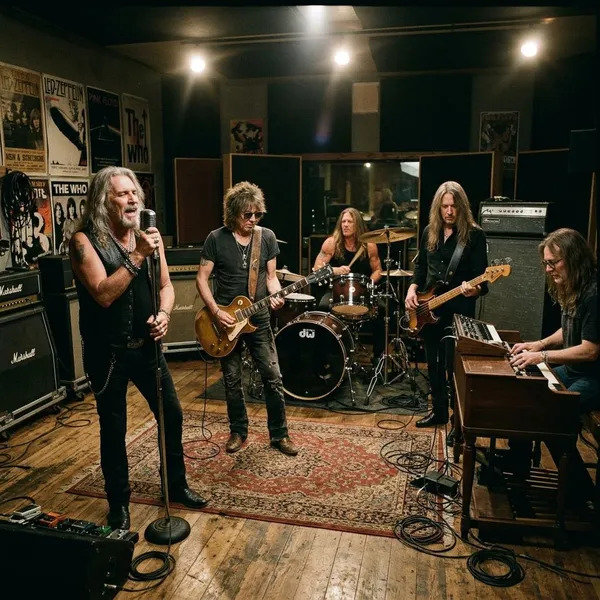
A classic rock supergroup usually has three ingredients: musicians with proven reputations, a new band name or identity, and music that stands on its own. A one-night jam with famous guests can be exciting, but it is not the same thing as a band people return to decades later.
Members with proven success
The "super" part comes from musicians who had already built serious credibility before the band formed. Eric Clapton had the Yardbirds and John Mayall's Bluesbreakers behind him before Cream. David Crosby, Stephen Stills, Graham Nash, and Neil Young all arrived with established audiences from earlier bands.
A new band identity
A real supergroup should not feel like one star plus famous backing players. Cream worked because Jack Bruce and Ginger Baker shaped the sound as much as Clapton did. The Traveling Wilburys worked because no single member swallowed the room, even with Bob Dylan, George Harrison, Roy Orbison, Tom Petty, and Jeff Lynne in the same lineup.
Shared creative control
Supergroups often include several people who are used to leading, writing, arranging, or choosing the direction. When that balance works, the music gains range. When it does not, the band can become a negotiation with amplifiers.
- Best-case result: different writers and players stretch one another.
- Common risk: nobody wants to become a supporting character.
- Listener clue: the strongest songs usually sound collaborative, not crowded.
More than a one-off collaboration
A named band, a meaningful release, and at least one song people still connect to that lineup are usually enough to separate a supergroup from a guest appearance. Blind Faith and Derek and the Dominos did not last long, but both left music that still has a clear place in rock history.
The greatest classic rock supergroups
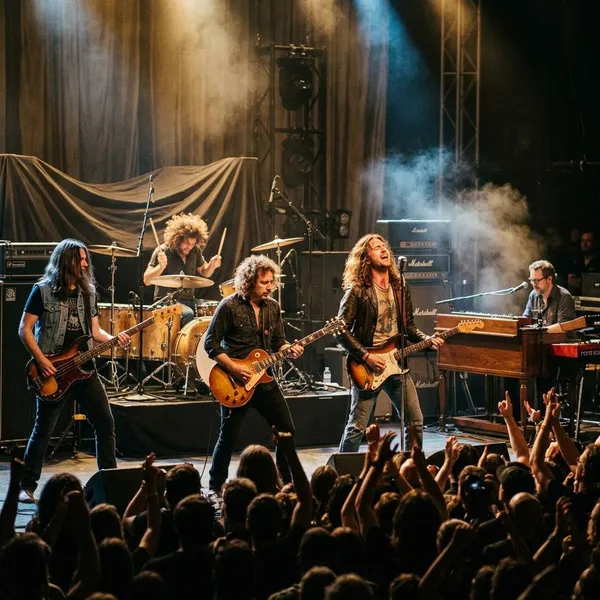
The greatest examples are not identical. Some changed the shape of hard rock, some refined harmony singing, and others proved that an all-star lineup could sound loose instead of overplanned. If you are new to this corner of classic rock, start with one or two songs from each band before jumping into full albums.
Cream with Eric Clapton, Jack Bruce, and Ginger Baker
Cream is the cleanest starting point for the classic rock supergroup idea. Clapton brought guitar-hero status, Bruce brought a powerful voice and melodic bass style, and Baker brought a restless, jazz-influenced approach to drums. The trio sounded bigger than its size.
Crosby, Stills, Nash and Young with four established voices
CSNY is the essential choice if you care most about vocals and songwriting. Crosby came from the Byrds, Stills and Young from Buffalo Springfield, and Nash from the Hollies, so the band began with four recognizable musical personalities rather than one obvious leader.
Their catalog moves from intimate songs to public statements without losing its identity. "Suite: Judy Blue Eyes," "Carry On," "Teach Your Children," and "Ohio" show why the group mattered beyond the novelty of its members.
Derek and the Dominos with Eric Clapton and Duane Allman
Derek and the Dominos can be a slightly trickier supergroup case because the fame was not evenly distributed across the lineup. Still, the band earns its place through the strength of Layla and Other Assorted Love Songs, especially once Duane Allman's slide guitar enters the story.
Traveling Wilburys with five major solo artists
The Traveling Wilburys are the rare supergroup that sounds relaxed instead of pressured. Dylan, Harrison, Orbison, Petty, and Lynne could have made something stiff and self-important. Instead, they made records that feel warm, witty, and easy to replay.
How classic rock supergroups differed
The label "supergroup" describes who was in the band, not what the band sounded like. That is why Cream, CSNY, Bad Company, Asia, and the Traveling Wilburys can all fit the category while serving very different listening moods.
If you are building a playlist, choose by sound first: Cream for heavy blues-rock, CSNY for harmonies, Bad Company for straight-ahead hard rock, Asia for polished arena hooks, and the Wilburys for rootsy, low-pressure charm.
Cream brought blues-rock power
Cream made the trio format feel muscular. Bruce's bass did not simply support the songs, Baker's drums pushed and provoked, and Clapton's guitar gave the music its cutting edge. Their sound points toward later hard rock without losing its blues foundation.
CSNY focused on harmony and songwriting
CSNY's strength was contrast held together by vocal blend. Nash could bring melodic sweetness, Crosby could bring mystery and atmosphere, Stills gave the group structure and drive, and Young added rougher emotional edges.
That makes CSNY a better choice for a long drive or close listening than for a pure riff-heavy rock playlist. The rewards are in the voices, the lyrical turns, and the way different writers sit beside one another without fully blending into sameness.
Bad Company delivered direct hard rock
Bad Company showed that a supergroup did not need complicated arrangements to matter. Paul Rodgers and Simon Kirke came from Free, Mick Ralphs from Mott the Hoople, and Boz Burrell from King Crimson, but the band's sound was clean, confident, and built for impact.
"Can't Get Enough" and "Feel Like Makin' Love" are useful tests. If you want elaborate instrumental passages, Bad Company may feel too plain. If you want a strong riff, a commanding vocal, and no clutter, they are exactly the point.
Asia blended prog rock with radio hooks
Asia took musicians with progressive-rock credentials and aimed them at concise, glossy songs. John Wetton, Steve Howe, Carl Palmer, and Geoff Downes had the skill to make difficult music, but the band's biggest appeal came from making that skill radio-friendly.
Traveling Wilburys favored relaxed roots rock
The Wilburys leaned on roots rock, folk-pop, and unfussy arrangements. Jeff Lynne's production gave the records polish, but the mood stayed conversational rather than grand.
Their best songs are good reminders that supergroups do not always need drama to work. Sometimes the smartest move is letting great voices and simple songs breathe.
Essential songs by classic rock supergroups
The easiest way to understand these bands is to start with the songs that reveal the group chemistry fastest. For a short listening session, pick the tracks in this section first. For a deeper dive, use each song as a doorway into the album around it.
Sunshine of Your Love by Cream
"Sunshine of Your Love" is the Cream track to play first because the riff, groove, and guitar tone explain the band almost immediately. It is heavy without being messy, blues-based without sounding old-fashioned, and compact enough to work even for someone who does not usually listen to long 1960s jams.
Suite Judy Blue Eyes by Crosby Stills and Nash
"Suite: Judy Blue Eyes" captures Crosby, Stills, and Nash before Neil Young joined, but it still belongs in any supergroup starter set. The song's shifting sections and close harmonies show how ambitious the trio could be without losing emotional warmth.
Can't Find My Way Home by Blind Faith
"Can't Find My Way Home" is essential because it avoids the obvious supergroup trap of showing off. Blind Faith had enough talent to overplay, yet this song works through restraint, space, and Steve Winwood's weary vocal.
Layla by Derek and the Dominos
"Layla" is the defining Derek and the Dominos song, but not only because of its famous opening riff. The guitar interplay between Clapton and Duane Allman gives the song its heat, while the piano coda turns it into something more haunted and memorable.
For a quick listen, the single edit gives the main punch. For the real experience, use the full version, because the second half is part of why the song still feels larger than a standard rock hit.
Can't Get Enough by Bad Company
"Can't Get Enough" is a model of direct hard rock. The riff arrives fast, the arrangement wastes no space, and Paul Rodgers' vocal makes the song feel bigger than its simple parts.
Heat of the Moment by Asia
"Heat of the Moment" is Asia's clearest calling card. The chorus is immediate, the production is bright, and the musicianship is controlled rather than showy. It is the right first track if you want to understand how prog veterans crossed into mainstream 1980s rock.
Handle with Care by Traveling Wilburys
"Handle with Care" is the Traveling Wilburys at their most natural. Harrison, Orbison, Petty, Dylan, and Lynne each bring a recognizable color, but the song never turns into a roll call of famous names.
Why classic rock supergroups often broke up
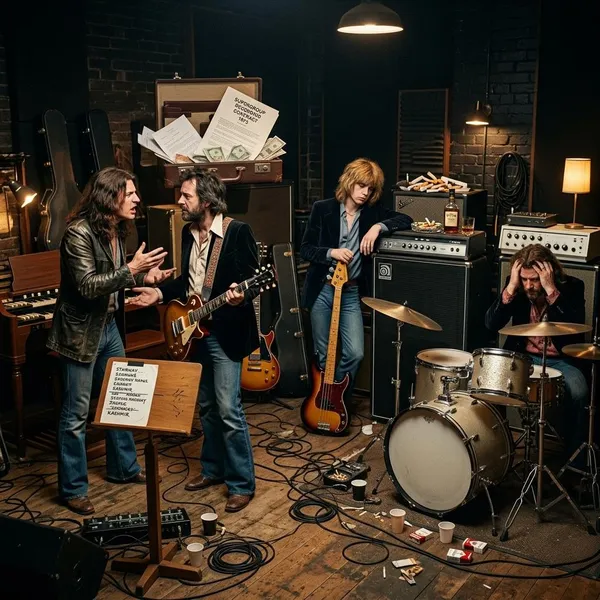
Classic rock supergroups often broke up because the same qualities that made them exciting also made them difficult to maintain. Established musicians bring talent, but they also bring schedules, egos, old commitments, and firm ideas about how a band should work.
Competing creative ideas
When several proven writers or bandleaders share one project, even normal choices can become complicated. Who sings lead, whose songs make the album, how long the solos should be, and whether the band should chase radio play or experimentation can all turn into real pressure points.
CSNY is the classic example of friction producing both great music and instability. The differences gave the band range, but they also made every reunion or recording plan more fragile.
Strong individual personalities
Supergroups usually are not filled with quiet passengers. These are musicians who have already survived major bands, public attention, and creative battles, so the room can get crowded quickly even with only three or four people in it.
- Cream: brilliant chemistry, famously tense relationships.
- CSNY: four voices, four strong artistic directions.
- Wilburys: unusual because the personalities seemed to loosen the music instead of hardening it.
Commitments to other bands
Many supergroups form during a gap: after a breakup, between solo albums, or while older opportunities are still nearby. That makes the band exciting, but it can also make it temporary from the start.
Pressure from early success
A new band made of famous people is judged before it has time to grow. Critics compare the music with several past careers at once, fans expect instant greatness, and record labels often want quick proof that the expensive lineup was worth it.
Blind Faith is a useful warning sign. The hype around the band was enormous, but the project barely had room to become normal. Supergroups can create magic quickly, but the spotlight can also make patience disappear.

Conclusion
The most rewarding way to approach these bands is to listen for chemistry first and fame second. Cream, CSNY, Derek and the Dominos, Bad Company, Asia, Blind Faith, and the Traveling Wilburys all prove the same basic point in different ways: a supergroup only matters when the music gives the lineup a reason to exist. Start with the essential songs, then follow the sound that grabs you most.