
The best long classic rock intros are worth hearing from the first second, not skipping past. A good one does more than delay the vocal: it sets the mood, builds a world, or makes the first big riff feel earned. If you are choosing where to start, listen for three things first: how long the song waits before the vocal, whether the opening has its own identity, and how strongly the main section arrives.
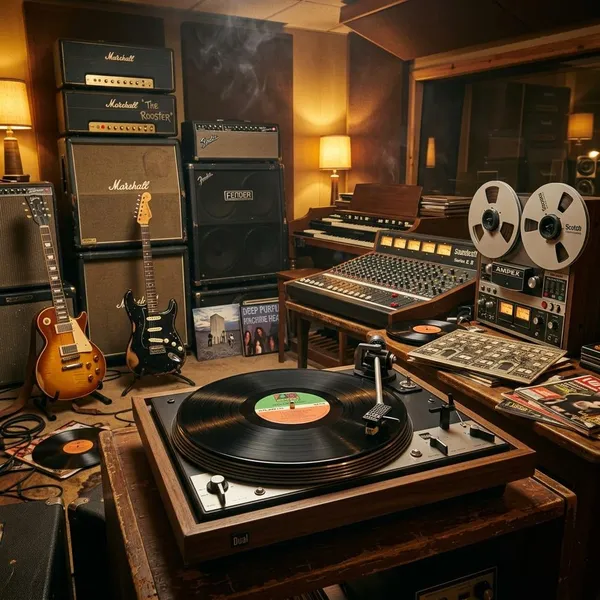
Classic rock songs with unforgettable long intros
Some classic rock openings are famous because they feel like events before the song has even reached its main section. These are the tracks to try first if you want intros that are not just long, but memorable for a reason.
For focused listening, use the album versions when possible. Radio edits often cut away exactly the buildup that makes these songs work.
Shine On You Crazy Diamond by Pink Floyd
"Shine On You Crazy Diamond" is the obvious benchmark because the intro feels inseparable from the emotional weight of the song. The slow synth bed, the wide-open space, and David Gilmour's restrained guitar phrases make the opening feel reflective before the vocal ever appears.
This is not the track to judge on a noisy commute or in a quick playlist shuffle. It works best when you can let the empty space do its job, especially through headphones or speakers with enough room for the atmosphere to breathe.
Funeral for a Friend Love Lies Bleeding by Elton John
"Funeral for a Friend" works almost like an overture. The synth-led opening is grand, dramatic, and cinematic, setting up "Love Lies Bleeding" as a release rather than a simple next section.
The useful thing to notice is the change in scale. If you like intros that feel theatrical rather than jam-based, this one is a better starting point than a loose blues-rock buildup.
Lazy by Deep Purple
"Lazy" proves that a long intro does not need to be dreamy or cinematic. Jon Lord's organ opening has a blues-club looseness, but the playing keeps moving enough that it never feels like filler.
This is the better choice if you enjoy musician-led intros: groove, personality, and performance matter more here than mystery or slow emotional reveal.
Xanadu by Rush
Rush use the opening of "Xanadu" to build a setting. The early effects and layered instruments make the song feel like a place you enter before the story begins.
That matters because "Xanadu" is not trying to be a quick rock single. If you like long intros that prepare you for a full journey, rather than just a delayed chorus, this is one of the strongest examples.
Echoes by Pink Floyd
"Echoes" starts with one of rock's most recognizable small sounds: that distant, sonar-like piano note. From there, the track expands slowly, creating mystery before any conventional song shape takes over.
It is also a good test of your taste in long intros. If you enjoy gradual transformation and strange textures, "Echoes" may feel hypnotic. If you want a fast vocal or a clear riff early, it may feel too patient, and that distinction helps you choose which kind of long intro you actually like.

What counts as a long classic rock intro
A long intro is not only about a stopwatch. Timing helps, but the better question is whether the opening behaves like a meaningful section before the main song settles in.
A late first vocal
If the first proper vocal arrives around a minute or more into the track, the intro will usually feel long. That is especially true in rock, where a vocal often signals that the "main" song has begun.
Do not treat the vocal as the only rule, though. Some tracks use wordless voices, spoken sounds, or early fragments that do not really function as the song's central vocal entrance.
A clear instrumental buildup
A strong long intro often adds musical information in stages: a tone, then a pattern, then drums, then the full band. The point is not just to wait longer, but to make the listener feel the song gathering force.
- Good sign: each new layer changes the mood or energy.
- Weak sign: the section repeats without creating tension or contrast.
A separate opening movement
Some intros feel like small compositions of their own. "Funeral for a Friend" and "Foreplay" both have enough shape and identity that they are more than standard lead-ins.
This is where long intros become especially rewarding on albums. Instead of feeling like dead time before the "real" song, the opening becomes part of the reason the track matters.
A longer album version
Album versions are often the fairest way to judge classic rock intros. Radio edits may shorten the atmosphere, remove repeated buildup, or push the vocal closer to the front.
A distinct shift into the main song
The clearest long intros usually have a moment of arrival. That might be the first sung line, a drum entrance, the main riff, or the point where the rhythm section finally locks in.
Long classic rock intros by style
Long intros work differently depending on the kind of opening you enjoy. Some are built for headphones, some for live energy, and some for the slow drama of a full album side.
Use the style first, then the song length. A three-minute atmospheric opening and a three-minute organ showcase may both be long, but they serve very different moods.
Atmospheric slow builds
Atmospheric intros are best when you want tension, space, and mood before the song becomes obvious. Pink Floyd are the natural reference point, because their openings often rely on patience rather than speed.
These work poorly as party background music but beautifully for late-night listening, long drives, or headphones. The reward is in small changes: a new texture, a distant guitar phrase, a shift in pressure.
Keyboard-led openings
Keyboard-led intros can make a rock song feel bigger immediately. Organ, synth, electric piano, or Mellotron can create harmony and atmosphere before the full band even enters.
- Grand and cinematic: Elton John's "Funeral for a Friend."
- Polished and driving: Boston's "Foreplay/Long Time."
- Loose and bluesy: Deep Purple's "Lazy."
Guitar-driven intros
Guitar intros often feel more direct, even when they are long. A repeated figure or slow lead line can tease the main identity of the song before the full arrangement arrives.
Multi-part prog openings
Progressive rock naturally suits long openings because the structure is often built in sections rather than quick verse-chorus movement. Rush and Pink Floyd use this kind of pacing to signal that the listener should expect development, not immediacy.
This style is most satisfying if you enjoy musical architecture. If you mainly want a hook fast, multi-part prog openings can feel demanding; if you like hearing a track unfold, they are often the richest examples.
Cinematic instrumental preludes
Cinematic preludes set a scene before the song speaks plainly. They may suggest suspense, grandeur, loss, or movement, almost like the opening shot of a film.
The key difference from a simple slow build is direction. A cinematic prelude usually feels as if it is leading you into a larger story, not just creating atmosphere for its own sake.
Why long rock intros work
Long rock intros work when they make the arrival of the main song feel more powerful than it would have felt on its own. The length is only justified if the opening creates expectation, mood, identity, or contrast.
They build anticipation
Anticipation comes from knowing something is forming but not getting the full release immediately. A repeated keyboard phrase, a distant guitar tone, or a delayed drum entrance can make the listener lean forward.
This is why familiar long intros can still work after dozens of listens. Knowing the payoff is coming often makes the buildup more enjoyable, not less.
They establish the mood
A long intro gives the song time to decide how it wants to feel before the lyrics take over. Mystery, sadness, confidence, grandeur, or menace can all be planted before a single line is sung.
For lyric-focused listeners, that mood changes the first vocal. The words arrive inside an emotional frame instead of landing cold.
They introduce a signature sound
Some intros tell you who the band is almost immediately. Pink Floyd's space, Boston's layered polish, Deep Purple's organ bite, and Rush's controlled complexity all become recognizable before the vocal starts.
They make the first vocal hit harder
When the voice finally appears after a long instrumental stretch, it can feel more human and more dramatic. The contrast between atmosphere and vocal presence gives the entrance extra weight.
This works best when the intro has prepared a real emotional setting. If the buildup has no mood or direction, the vocal may simply feel late rather than powerful.
They turn the opening into an event
The strongest long intros become moments listeners wait for. In a live setting, that can mean a crowd recognizing the opening before the song fully reveals itself; on an album, it can mean the track feels larger than a normal single.
For everyday listening, the decision is simple: keep the long intro when you want immersion, atmosphere, or drama. Skip to the shorter edit only when the setting does not reward patience, such as a casual mixed playlist where the buildup keeps interrupting the flow.
Conclusion
A long classic rock intro is at its best when the opening earns its time: it builds tension, creates a mood, or makes the first vocal or riff feel like a real arrival. Start with the full album versions of the key tracks, listen for the turning point, and you will quickly hear which intros are essential and which ones are only extended. The best examples do not stand in the way of the song; they are part of the payoff.