
If the usual classic rock rotation feels too familiar, the best move is not to chase the most obscure name first. Start with underrated classic rock bands that have a clear entry point: UFO for hard rock bite, Big Star or Badfinger for melody, Wishbone Ash for guitar interplay, and Humble Pie or Budgie when you want something heavier or rougher around the edges.
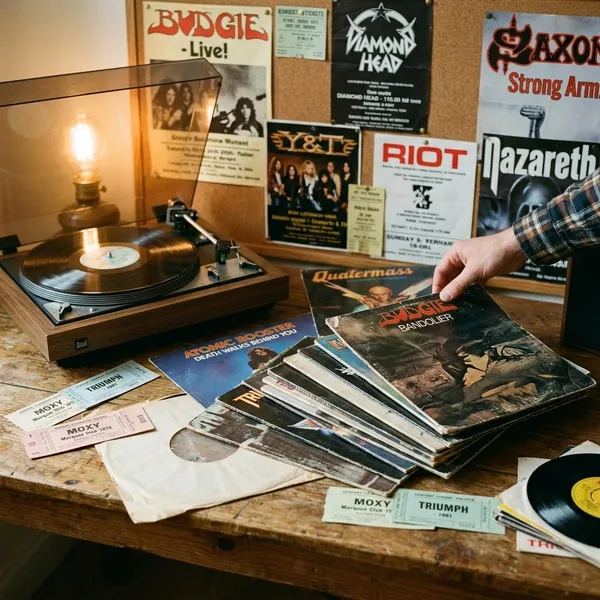
Essential underrated classic rock bands
These are the first names I would check if you want the strongest mix of quality, influence, and easy entry points. They do not all sound alike, which is the point: classic rock's overlooked tier includes power pop, hard rock, blues-heavy live bands, early metal, and guitar-led album rock.
UFO
UFO are the obvious first stop if you like hard rock with big hooks and serious lead guitar. Michael Schenker's playing gave the band a dramatic edge, but the songs still had choruses, momentum, and a sense of shape.
The practical reason to start here is simple: UFO connect 1970s hard rock to the heavier bands that followed. If you already like early Iron Maiden, Thin Lizzy's guitar drama, or the more melodic side of metal, UFO will probably click faster than many cult classic rock acts.
Big Star
Big Star are underrated in the strange way a band can be famous among musicians and still invisible to casual listeners. Their songs are bright, wounded, jangly, and direct, with a power pop sound that later indie and alternative bands borrowed constantly.
Badfinger
Badfinger are often boxed in as a Beatles-connected story, but that sells the band short. "No Matter What," "Baby Blue," and "Day After Day" show how strong they were at clean, emotional pop-rock songwriting.
If you are making a short playlist for someone who does not usually explore deep cuts, Badfinger are one of the safest picks. The hooks arrive quickly, the arrangements are warm, and the songs do not need a long explanation before they work.
Wishbone Ash
Wishbone Ash are the band to try when guitar interplay matters more to you than hit singles. Their twin-lead style was melodic, patient, and influential, especially for later hard rock and metal bands that built songs around harmonized guitars.
Humble Pie
Humble Pie make the most sense if you like rock that sounds sweaty, loud, and built for a stage. Steve Marriott's voice gives the band a raw authority, while the music leans into blues-rock without feeling polite.
Budgie
Budgie are essential for listeners who want the weird, heavy edge of early hard rock. They had riffs, speed, and weight, but also odd turns that keep the songs from feeling like standard proto-metal exercises.
Metallica's cover of "Breadfan" helped keep their name alive, yet Budgie deserve attention beyond that connection. Try them when you want heaviness with personality rather than just volume.
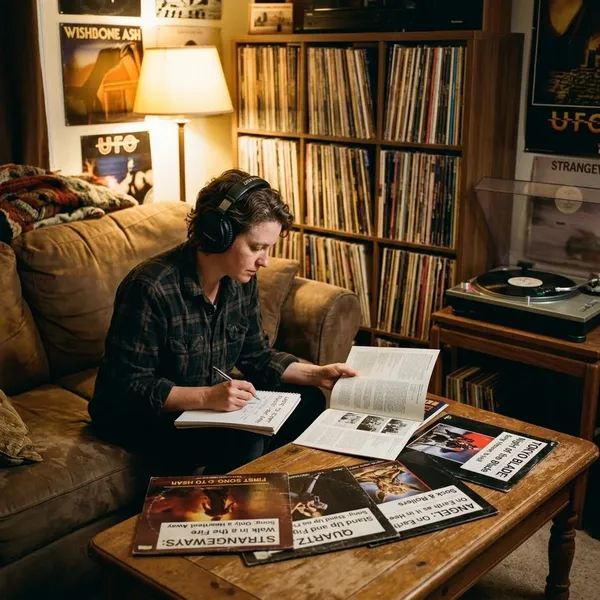
Where to start with each band
The biggest mistake with overlooked classic rock bands is starting too randomly. A deep album cut can be rewarding later, but a strong first song gives you a handle on the band before you commit to a full record.
- Only have 15 minutes: play one signature song from two or three bands.
- Want the real case for a band: move from the song to the recommended album.
- Not feeling it after one track: try the album opener or a live version before writing the band off.
UFO with Doctor Doctor and Strangers in the Night
Start with "Doctor Doctor." It gives you the riff, the pace, the chorus, and the melodic hard rock identity in one clean shot.
After that, go to Strangers in the Night. UFO's live energy makes their strengths easier to hear, especially Schenker's guitar work and the band's sense of lift. If that record lands, Lights Out and Phenomenon are the next sensible stops.
Big Star with September Gurls and Radio City
"September Gurls" is the easiest doorway into Big Star because it sounds familiar almost immediately, even if you have never heard it before. The melody is sweet, but there is enough ache in the performance to keep it from becoming lightweight.
Radio City is the album to play next. It has the jangle, the rough edges, and the emotional tone that explain why so many later bands treated Big Star like a secret map.
Badfinger with No Matter What and Straight Up
"No Matter What" is the quick proof that Badfinger were more than a rock-history footnote. It is tight, catchy, and confident without trying too hard.
Straight Up works well as a first album because it does not ask for much patience. If you like strong choruses, warm harmonies, and songs that get to the point, it is one of the easiest records here to enjoy on a first listen.
Renaissance with Ashes Are Burning
Renaissance are the better choice when you want progressive rock that feels elegant rather than heavy. Ashes Are Burning puts Annie Haslam's voice, piano-led arrangements, and the band's larger sense of scale right at the center.
If your taste usually leans toward guitars and riffs, Renaissance may take a moment. If you like atmosphere, long-form composition, and a more graceful kind of prog, this is a much smarter starting point than jumping straight into the most technical bands of the era.

Where to start based on your taste
A better first listen usually comes from matching the band to what you already enjoy. If you love riffs, do not force yourself through delicate power pop first. If you care most about songwriting, do not start with the most aggressive proto-metal pick just because it is influential.
UFO and Budgie for early heavy metal
Choose UFO if you want heavy music with structure, melody, and big lead guitar. Choose Budgie if you want something rougher, stranger, and more riff-driven.
Big Star and Badfinger for melodic power pop
Big Star and Badfinger are the best starting points for anyone who values songs over spectacle. Big Star bring more emotional shadow and indie-rock DNA; Badfinger bring cleaner pop-rock craft and instantly memorable hooks.
Little Feat and Humble Pie for blues and roots rock
Little Feat are loose, funky, and rhythmically slippery; Humble Pie are louder, rougher, and more direct. Both are good choices when you want musicians who sound like they are reacting to each other in real time.
Pick Little Feat for groove and cleverness. Pick Humble Pie for force and vocals. This is the lane for people who care less about perfect choruses and more about feel, swing, and live-band chemistry.
Spirit and Renaissance for progressive sounds
Spirit are the more eclectic pick, mixing psychedelic rock, jazz touches, and concise experimentation. Renaissance are more sweeping, with classical influence, piano, and soaring vocals.
If progressive rock sometimes feels too cold or technical to you, try these two from opposite ends. Spirit keep things colorful and surprising, while Renaissance offer grandeur without turning everything into a guitar workout.
MC5 and The Runaways for raw proto-punk energy
MC5 and The Runaways are for the moments when polished classic rock feels too safe. MC5 bring political charge, volume, and garage-rock attack; The Runaways bring teenage urgency and a direct line into later punk and hard rock attitude.
More overlooked classic rock bands
Once the main names start to click, the next layer gets even more interesting. These bands are not all underrated for the same reason: some were overshadowed by one famous song, some arrived slightly too early, and some were simply harder to market than the era's stadium giants.
Free
Free are much deeper than "All Right Now." Paul Rodgers gives the songs soul and control, while Paul Kossoff's guitar playing proves that restraint can hit harder than speed.
Try Free if you like blues-based rock that leaves space. They are a good correction for the idea that classic rock always needs to be huge to feel powerful.
Slade
Slade are often remembered for chant-along glam energy, but there is real force behind the hooks. Noddy Holder's voice alone gives the band more grit than many people expect.
If you know them only through songs later covered by bigger American acts, go back to the originals. Slade make the most sense when you want rock that is loud, communal, and cheerfully unpolished.
Blue Cheer
Blue Cheer are a key stop if you want to hear heaviness before metal fully had a rulebook. Their version of "Summertime Blues" is crude in the best way: distorted, overloaded, and physically loud.
This is not refined album craft. It is more like hearing amplification become part of the songwriting. For heavy-rock history, that matters.
Captain Beyond
Captain Beyond's debut is a smart deep-cut pick because it sits between hard rock, prog, and psychedelia without losing momentum. The songs shift shapes, but the band still sounds muscular.
Play them when you want something more adventurous than straight riff rock but less ornate than the most demanding progressive bands.
Gentle Giant
Gentle Giant are not the easiest first listen, and pretending otherwise does them no favors. Their music is intricate, rhythmically tricky, and packed with detail.
That makes them a better choice for an attentive listening session than background music. If you enjoy progressive rock that keeps changing under your feet, they can be incredibly rewarding; if you want quick hooks, save them for later.
Montrose
Montrose are one of the most immediate bands in this group. The self-titled debut is compact, hard-driving, and built around Ronnie Montrose's sharp guitar sound and Sammy Hagar's early vocal fire.
This is the pick for someone who wants payoff fast. No elaborate concept, no long warm-up, just strong American hard rock that later bands clearly learned from.
The Pretty Things
The Pretty Things moved from raw British rhythm and blues into more ambitious psychedelic and concept-album territory. That range may be one reason they are harder to place in the usual classic rock story.
S.F. Sorrow is the album to know if you want the strongest argument for their importance. It shows a band expanding without losing its rough original spark.
Conclusion
The best way into these bands is to match the first listen to your mood: UFO or Budgie for heaviness, Big Star or Badfinger for melody, Wishbone Ash for guitar depth, Humble Pie or Little Feat for rootsy feel, and Renaissance or Spirit when you want more color. Start with one song, give the right album a fair listen, and you will hear quickly which overlooked corner of classic rock is worth exploring next.